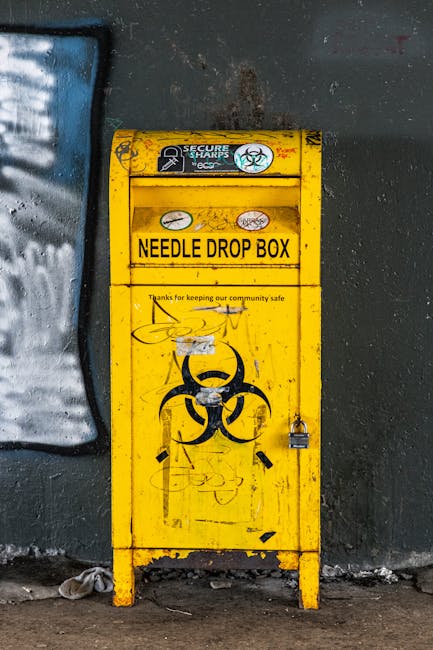
Highgate council rules for hazardous rubbish disposal explained
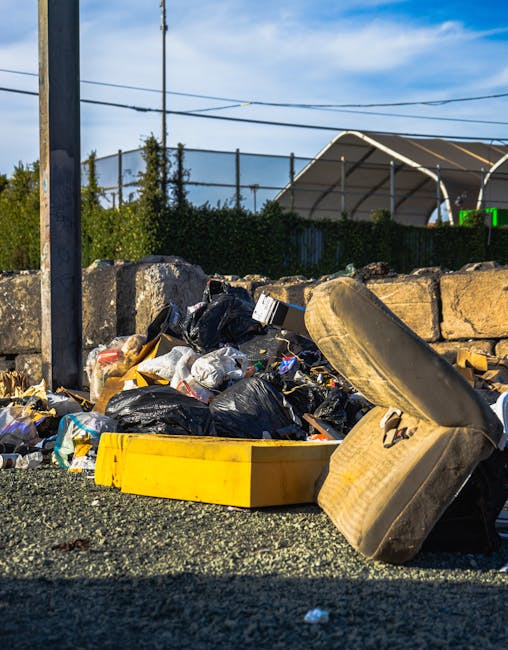
If you have paint tins in the shed, an old battery behind the washing machine, or a broken fluorescent tube that's been sitting there for months, you are not alone. Hazardous rubbish has a way of turning up at the worst possible time, usually when you are trying to clear a room quickly and just want the job done. This guide to Highgate council rules for hazardous rubbish disposal explained breaks the process into plain English so you can stay safe, avoid common mistakes, and choose the right disposal route without second-guessing yourself.
Let's face it: most people do not need a lecture, they need clear practical advice. So below you will find what counts as hazardous waste, how local rules tend to work in a London setting, what to do before you move anything, and when it makes sense to use a professional clearance service rather than trying to improvise with bins, black bags, or a hurried trip to the tip.
Why Highgate council rules for hazardous rubbish disposal explained matters
Hazardous rubbish is not just "messy waste". It can include materials that are flammable, corrosive, poisonous, sharp, pressurised, or harmful to the environment if handled badly. In a place like Highgate, where homes range from compact flats to older terraced houses and loft-filled family properties, the problem often shows up during a clear-out rather than in an obvious emergency.
The rules matter because they protect three things at once: people, property, and the local environment. A leaking tin of solvent in a kitchen cupboard can damage flooring or release fumes. A smashed bulb can scatter glass and powder. A battery that gets crushed in a general waste bag can overheat. None of that sounds dramatic until you are standing there with the smell of chemicals in the air and wondering what on earth to do next. Not ideal, obviously.
There is also a practical side. Councils and waste contractors have specific expectations about how hazardous items should be separated, labelled, and handed over. If you follow the right process, disposal becomes simpler, safer, and usually cheaper than dealing with a mixed load that has to be sorted later.
In our experience, the biggest source of confusion is not the item itself. It is the assumption that "if it fits in a bag, it must be fine." That assumption causes trouble. Hazardous waste often needs different treatment from ordinary household rubbish, and that distinction is what this guide is here to make clear.
If you are already dealing with a larger clear-out, it can help to pair this process with the right service. For example, a full house clearance or a smaller flat clearance can be planned around separating hazardous items first, rather than leaving them mixed in with reusable furniture or normal waste.
How Highgate council rules for hazardous rubbish disposal explained works
While exact local instructions can change, the general approach in London is usually straightforward: identify the hazardous item, keep it separate, check whether it needs special handling, and use an approved route for disposal or collection. The key is not to treat every item as the same.
Most hazardous rubbish falls into a few common groups:
- Chemicals: paint, varnish, thinners, adhesives, bleach, strong cleaning products, pesticides.
- Electrical and battery items: batteries, power packs, small electricals with damaged cells, vaping devices.
- Light sources: fluorescent tubes, certain bulbs, lamps with hazardous components.
- Sharps or contaminated items: broken glass with residue, items contaminated by oil, fuel, or solvent.
- Pressurised containers: gas canisters, aerosols with contents remaining, certain fire extinguishers.
- Building-related hazardous waste: materials from older renovations or repairs that may need careful handling, especially during a builders waste clearance.
The practical flow usually looks like this:
- Sort items into hazardous and non-hazardous groups.
- Check labels, residue, and condition. A nearly empty tin can still matter if the contents are harmful.
- Keep each item in a safe, upright position if possible.
- Do not mix incompatible materials together.
- Use a designated collection, specialist drop-off, or licensed waste removal route.
One thing that often surprises people is how often "ordinary-looking" objects turn out to need special treatment. That half-used tin in the garage? Could be fine as ordinary waste, or it might be classed differently depending on its contents and condition. The label matters. The smell matters. Common sense matters too, though that sounds almost too obvious to say.
For businesses, the process is stricter in practice because waste from commercial premises needs clearer separation and record-keeping. If that is your situation, a dedicated business waste removal solution is often a cleaner fit than trying to handle everything piecemeal.
Key benefits and practical advantages
Following the correct route for hazardous rubbish is not just about avoiding trouble. It also makes your home or workplace easier to manage. A tidy, clearly sorted disposal process saves time later, and that matters when you are already halfway through a loft, garage, or office clear-out and the dust is starting to get everywhere.
- Safer handling: fewer spills, cuts, fumes, and accidental reactions.
- Less stress: you are not left guessing whether something can go in general waste.
- Better compliance: you are more likely to meet local expectations and duty-of-care standards.
- Cleaner clear-outs: hazardous items are removed before they contaminate recyclable or reusable materials.
- More efficient waste costs: properly sorted loads are usually easier to price and process.
There is another benefit people overlook: confidence. When you know the rules, you stop hovering over the bin asking, "Is this allowed?" That tiny bit of certainty can make a big difference during a busy move, renovation, or bereavement clearance.
It also helps protect anything you are keeping. Many household clearances involve a mixture of waste, furniture, and sentimental items, especially in a family home. If hazardous rubbish is separated early, it reduces the chance of damaging clothes, books, upholstery, or stored items. For the non-hazardous parts of the job, services such as home clearance or loft clearance can help keep the process structured.
Who this is for and when it makes sense
This guidance is useful for anyone who has hazardous rubbish lurking in a cupboard, shed, cellar, garage, or back office. That covers a lot of people, truth be told.
You are most likely to need it if you are:
- clearing a property before sale or letting
- sorting an inherited home with old chemicals or paint
- emptying a garage after years of storage
- renovating and dealing with leftover construction materials
- moving out of a flat where waste space is limited
- managing an office or business site with unwanted equipment
- handling garden products such as pesticides or fuel containers
A good rule of thumb: if the item has a warning symbol, smells strong, is leaking, is pressurised, or could injure someone if crushed, treat it carefully until you know more. You do not need to become a waste specialist overnight. You just need a process.
If your clear-out includes mixed furniture, old storage boxes, and general clutter, a combined service can be more practical than trying to manage every category separately. For instance, the team handling a garage clearance or office clearance can often help you keep hazardous items apart from the main load. Nice and tidy. Or at least tidier than the usual "I'll deal with it later" pile.
Step-by-step guidance
If you want the simplest possible route, follow this order. It works well for households and small businesses alike.
- Pause before you throw anything away. Gather all suspect items into one place.
- Read the label. Look for warnings about flammability, toxicity, corrosion, pressure, or environmental harm.
- Separate by type. Keep chemicals away from batteries, and batteries away from general rubbish.
- Check condition. If a container is leaking or damaged, handle it as a priority item.
- Store safely. Keep items upright, dry, and away from heat sources or children.
- Decide the route. Use an appropriate disposal route, specialist removal, or an approved collection method.
- Prepare the handover. Keep items accessible and together so they can be collected without extra handling.
- Document anything unusual. For business waste, note what was removed and when.
A small example: if you find old paint tins, a battery charger, and a half-used can of aerosol in a cupboard, do not bundle them into one black sack. Set them aside separately. Put the tins upright in a box, keep aerosols away from heat, and store batteries in a container where terminals cannot touch metal objects. It sounds fussy until you realise how quickly a mess can become a hazard.
For larger jobs, it may be more efficient to clear the non-hazardous items first and then deal with the dangerous materials as a separate step. That approach often works well alongside furniture disposal or broader waste removal when the property contains a mix of ordinary junk and sensitive materials.
Expert tips for better results
There are a few things that tend to make hazardous rubbish disposal smoother, and honestly, they are the kind of small details that save a lot of trouble later.
- Keep original containers where possible. Labels matter, even if the bottle is dusty.
- Never mix unknown liquids. If you cannot identify it safely, do not play chemist in the kitchen sink.
- Use rigid boxes or trays for fragile items. Broken tubes, bulbs, or glass need more care than a bag can offer.
- Check for residue. "Empty" is not always empty.
- Work in daylight. Funny how much easier labels are to read when you are not squinting under a loft bulb at 8pm.
- Keep a simple inventory. A short list helps if someone else is collecting the waste later.
One practical tip that people rarely hear: do the hazardous sort before the room gets too chaotic. Once a garage is half emptied and the floor is covered in random boxes, it becomes much easier to miss the one bottle you really should not have kicked over. Also, wear gloves. Not glamorous, but sensible.
If you are arranging a wider property clear-out, ask how hazardous items are separated from standard loads. A company that is used to careful handling should be able to explain the process clearly. Look for practical reassurance, not fancy promises. The good ones usually sound calm, not theatrical. That's a good sign.
Common mistakes to avoid
Most problems with hazardous rubbish come from simple, very human mistakes. No judgement here. People are busy.
- Putting hazardous items in ordinary household bins. This is one of the most common errors and one of the easiest to avoid.
- Breaking items to make them fit. Never crush batteries, puncture aerosols, or smash fluorescent tubes to save space.
- Mixing different chemicals together. That can create fumes or reactions you really do not want.
- Ignoring a leaking container. A small drip can become a much bigger cleaning job.
- Leaving sharp or contaminated items loose. They need containment, not a hopeful pat on the lid.
- Forgetting about hidden waste. Garages, lofts, under-sink cupboards, and old toolboxes are where the surprises live.
Another mistake is assuming that every old item is automatically safe because it has been stored for years. Time does not magically neutralise hazardous contents. Sometimes it makes them worse. Flaking lids, perished seals, and rusty containers are a proper nuisance.
There is also the "out of sight, out of mind" problem. If you are preparing a property for a tenant move-out or an end-of-year business tidy-up, build hazardous waste checks into the process early. Once the main clearance starts, people tend to rush. That's when little mistakes creep in.
Tools, resources and recommendations
You do not need fancy gear to manage hazardous rubbish properly, but a few basic tools make the job easier and safer.
- Gloves: useful for handling dirty containers and sharp edges.
- Strong boxes or trays: better than thin bags for bottles, tubes, and tins.
- Marker pen: handy for noting contents if labels are missing.
- Tape and padding: helps secure lids or protect fragile items.
- Old towels or absorbent material: useful around items that might leak.
- Notebook or phone notes: helpful for listing what you have set aside.
On the service side, it can help to review a company's approach to safety and sustainability before you book. A clear health and safety policy shows that the business thinks about risk properly, while a strong recycling and sustainability approach is a good sign that reusable and recyclable materials will not be treated carelessly.
For customers comparing providers, practical questions matter more than flashy language. Ask how items are sorted, how mixed loads are handled, and whether the crew knows how to separate hazardous material from standard household waste. It is a pretty ordinary question, but it tells you a lot.
If price is part of your decision, you can also review pricing and quotes so you know how the work is likely to be assessed. No one likes surprises at the end of a clearance, especially when there are already enough surprises in the loft.
Law, compliance, standards, and best practice
Hazardous waste handling in the UK is governed by wider waste and environmental duties, and local council expectations sit within that framework. You do not need to memorise legislation to act safely, but you do need to understand the principle: hazardous waste must be handled separately and responsibly, with care taken to prevent harm to people or the environment.
In practice, best practice usually means:
- keeping hazardous items separate from general rubbish
- avoiding contamination of recyclable waste
- storing dangerous materials securely before disposal
- using a disposal route that is suitable for the item type
- making sure anyone carrying out the work understands the risks
For businesses, there is an additional duty to think about documentation and traceability. Even where paperwork is simple, it helps to know what was removed and how it was classified. That matters if you need to show that waste was dealt with properly later on.
Best practice is not about being overcautious for the sake of it. It is about reducing avoidable risk. A lot of hazardous waste problems happen because someone tries to move too fast. A little patience usually pays off. A lot, sometimes.
If you are unsure about a particular item, do not guess. Treat it as hazardous until you can identify it safely, or ask a professional to assess it as part of a broader clearance. That is far better than learning the hard way.
Options, methods, and comparison table
There is more than one way to deal with hazardous rubbish in Highgate, and the right option depends on what the item is, how much of it you have, and how quickly it needs to go.
| Method | Best for | Pros | Watch-outs |
|---|---|---|---|
| Separate household sorting | Small amounts of clearly identified hazardous items | Low effort, good for one-off items, keeps the home tidy | Requires careful checking and safe storage |
| Specialist clearance support | Mixed loads, large clear-outs, or unknown items | Convenient, safer for complex jobs, less handling by the customer | May need more detailed discussion before booking |
| Business waste arrangement | Offices, shops, workshops, and other commercial settings | Better for documentation and regular waste streams | Needs good internal separation and planning |
| Full property clearance | Homes with a lot of mixed clutter plus hazardous items | Efficient for large, emotionally demanding, or time-sensitive jobs | Hazardous items still need to be identified early |
For many people, the best answer is not a single method but a combination. Sort what you can, isolate the dangerous items, and then use a service that can handle the rest in a structured way. That is especially useful when the job also includes furniture, old appliances, or general rubbish. A broad waste removal plan can bring the whole thing together neatly.
Case study or real-world example
Imagine a Highgate family clearing out a semi-packed garage after years of storage. There are old paint tins from a previous decorating job, a few aerosol sprays, a cracked lamp tube, some batteries in a drawer, and a pile of broken garden tools. On top of that, there is a sofa, a side table, and several bags of general clutter. Very ordinary, really. Also very messy.
The first move is not to haul everything into one pile. Instead, the hazardous items are separated immediately. The paint tins are checked for labels and leaks. The aerosols are kept upright and away from heat. Batteries are placed in a small container so the terminals do not touch metal. The broken tube is wrapped carefully so nobody catches a hand on it. Only after that does the rest of the garage get cleared.
The family then books a mixed clearance for the non-hazardous items and keeps the hazardous material as a separate issue. That makes the job faster, safer, and much easier to explain. There is less confusion on the day, less lifting, and fewer "oh, I forgot about that box" moments. You know the ones.
What works well in that scenario is not magic. It is sequence. Hazardous waste first, bulky clutter second, and sentimental sorting only when the floor is actually visible again. Small win, but a real one.
In another common scenario, a small office needs to dispose of old batteries, a damaged lamp, and a few leftover cleaning products after refurbishment. The team separates those items before the rest of the office is cleared, which helps protect the furniture, carpets, and storage boxes from contamination. That is where a planned office clearance can make a good deal of sense.
Practical checklist
Use this quick checklist before you dispose of any hazardous rubbish:
- Have I identified every item that may be hazardous?
- Are the items separated from normal waste and recyclables?
- Are any containers leaking, damaged, or unstable?
- Do I know what the item is, or should I treat it as unknown?
- Are the items stored upright, cool, and away from children or pets?
- Have I avoided mixing chemicals, batteries, or pressurised containers?
- Is there a suitable disposal route or collection booked?
- Do I need a broader clearance for the rest of the property?
- Have I kept a simple note of what was removed?
- Am I confident the load will not contaminate other waste?
If you can tick those off, you are in a much better place. Not perfect, perhaps, but definitely safer and far less likely to run into trouble.
Get a free quote today and see how much you can save.
Conclusion
Hazardous rubbish disposal does not need to be complicated, but it does need to be careful. Once you understand the basics of Highgate council rules for hazardous rubbish disposal explained, the process becomes much more manageable: identify the item, separate it properly, store it safely, and use the right disposal route. Simple on paper, a bit fiddly in real life, but absolutely manageable.
The real win is peace of mind. You protect your home, your family, your neighbours, and anyone who ends up handling the waste after you. That is worth the extra few minutes of checking. And if the job has grown beyond what you want to do alone, there is nothing weak about bringing in help. Sometimes that is the smartest move by far.
Take your time, stay methodical, and treat the odd-looking items with respect. That is usually enough to keep a difficult clear-out on track, and it leaves you with one less thing hanging over your head.
Frequently Asked Questions
What counts as hazardous rubbish in a home clear-out?
Common examples include paint, solvents, strong cleaning chemicals, batteries, fluorescent tubes, aerosols, pesticides, and any item that is flammable, corrosive, toxic, or pressurised. If in doubt, treat it cautiously rather than mixing it with general waste.
Can I put old paint tins in the normal bin?
Usually not, especially if there is still liquid residue or the tin is damaged. Paint products often need separate handling. Even an old tin that looks empty can still contain hazardous leftovers.
What should I do with leaking containers?
Keep them upright if it is safe to do so, place them in a secure tray or box, and avoid moving them around more than necessary. Do not combine them with other items, and do not pour the contents into another container unless you know exactly what it is and it is safe to do so.
Are batteries classed as hazardous waste?
Many batteries require special handling because they can leak, overheat, or react if damaged. Small household batteries are often separated from general rubbish, and larger battery types can need even more care.
Can a clearance company take hazardous waste with everything else?
That depends on the item and the company's procedures. A good clearance provider should explain how hazardous items are handled, separated, and removed. It is sensible to ask before the visit, not after the van has turned up.
What if I do not know what an item is?
If you cannot identify it safely, do not guess. Keep it separate, avoid opening it, and treat it as potentially hazardous until it is properly assessed. Unknown liquids and unlabeled containers deserve extra caution.
Is hazardous rubbish disposal more expensive?
It can be, because the items may need additional handling, sorting, or a specialist route. The good news is that proper separation often keeps costs under control, especially when hazardous items are identified early.
Can I mix different chemicals together to save space?
No. Mixing unknown or incompatible chemicals can create fumes, heat, or other unsafe reactions. Keep each product separate and in its original container where possible.
What should businesses do differently from households?
Businesses should be more disciplined about separation, record-keeping, and staff awareness. Commercial waste often needs clearer internal procedures, especially where electrical items, cleaning products, or maintenance materials are involved.
How do I prepare hazardous waste for collection?
Keep it separate, upright, and labelled where possible. Make the items easy to access on collection day and avoid moving them more than needed. If the job is part of a larger clearance, tell the provider in advance so they can plan properly.
Do I need a full property clearance if I only have a few hazardous items?
Not always. If it is just a small number of items, a separate disposal plan may be enough. But if the hazardous items sit alongside bulky clutter, furniture, or years of stored belongings, a wider service may be the calmer option.
What is the safest first step if I find hazardous rubbish in a loft or garage?
Stop and assess before moving anything else. Separate the hazardous items, keep them stable, and then decide whether you can handle the rest of the clearance around them. If the space is cramped or the items look unstable, get help rather than forcing it.