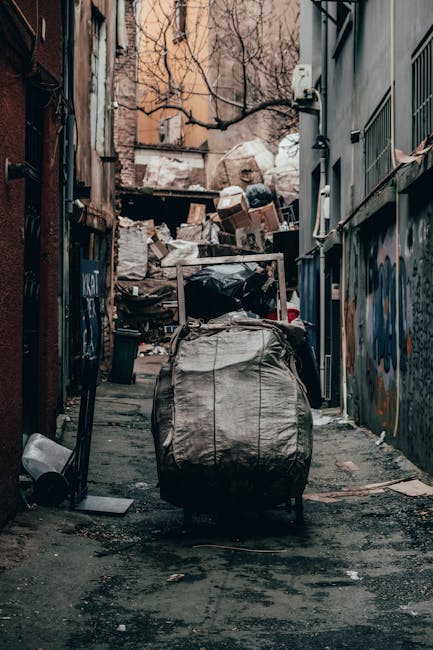
Archway Road bulky rubbish clearance in Highgate explained
If you live, manage, or work near Archway Road, bulky rubbish has a habit of appearing at the worst possible time. A sofa that will not fit down the stairs. Old wardrobes from a flat refurbishment. Broken office chairs. A fridge sitting in the hallway a little too long. Suddenly, the job is not just "get rid of it" but "how do I clear it safely, legally, and without turning the street into a nuisance?"
This guide to Archway Road bulky rubbish clearance in Highgate explained walks through the practical side of the service in plain English. You will learn what counts as bulky waste, how collection and clearance typically work, when a specialist team makes sense, what to check before booking, and how to avoid the small mistakes that cause delays, extra costs, or awkward access problems. To be fair, the best clearance jobs often look effortless from the outside because the planning was done properly first.
Whether you are clearing one large item or dealing with a full flat, the goal is the same: get the space back quickly, keep things tidy, and make sure the waste goes where it should.
Table of Contents
- Why Archway Road bulky rubbish clearance in Highgate explained Matters
- How Archway Road bulky rubbish clearance in Highgate explained Works
- Key Benefits and Practical Advantages
- Who This Is For and When It Makes Sense
- Step-by-Step Guidance
- Expert Tips for Better Results
- Common Mistakes to Avoid
- Tools, Resources and Recommendations
- Law, Compliance, Standards, or Best Practice
- Options, Methods, or Comparison Table
- Case Study or Real-World Example
- Practical Checklist
- Conclusion
- Frequently Asked Questions
Why Archway Road bulky rubbish clearance in Highgate explained Matters
Bulky rubbish clearance is more than a convenience service. In a busy part of North London like Highgate, and especially around a road corridor such as Archway Road, large items can quickly become a practical problem. A mattress left in a communal hallway blocks access. An old wardrobe leaning near a front gate can become a trip hazard. A pile of packaging after a renovation can make a property feel unfinished, messy, and harder to use.
The local context matters too. Highgate has a mix of flats, terraces, converted homes, and properties with tighter access than people expect. That means lifting, carrying, parking, timing, and neighbour awareness all come into play. A simple pickup can turn complicated fast if a large item needs to be moved through narrow stairwells or down a shared entrance.
There is also the environmental side. Not all bulky rubbish belongs in the same stream. Some items can be reused, some dismantled for recycling, and some require careful handling because they contain electrical components or materials that should not be mixed with general waste. Good clearance is not just about removing things; it is about removing them properly.
Practical takeaway: the value of a well-run bulky clearance is speed, safety, and the reassurance that the waste is handled responsibly, not simply vanished from sight.
If you are comparing options for property clearance or waste removal more broadly, it can help to understand the wider service landscape. You may also find the guidance on house clearance services useful if the bulky items are part of a larger declutter, or the overview of garden clearance helpful if the waste includes outdoor furniture, soil sacks, or fencing materials.
How Archway Road bulky rubbish clearance in Highgate explained Works
Most bulky rubbish clearance services follow a fairly simple structure, though the details can vary depending on access, item type, and how much needs removing. The process usually begins with an enquiry. You describe what needs to go, where it is located, and whether there are any tricky bits such as basement access, top-floor flats, no lift, or parking restrictions.
In many cases, the provider will ask for photos. That is not just admin. It helps estimate the labour involved, how many crew members are needed, and whether dismantling is likely. A bulky sofa on the ground floor is a very different job from a heavy wardrobe on the fourth floor in a building with a narrow staircase. Everyone knows that, yet people still forget to mention the stairs until the day itself. Happens all the time.
Once the job is agreed, a time slot is arranged. The team arrives, loads the items, sweeps up loose debris where appropriate, and takes the waste away for sorting. Good operators will separate reusable, recyclable, and residual waste as part of their normal workflow. If the items include electricals, white goods, or anything with specialist disposal requirements, they should be handled accordingly.
For the customer, the job should feel straightforward. You point to what needs removing, the crew confirms the load, and the clearance is completed with as little disruption as possible. On a good day, it is almost oddly satisfying. One minute the corridor is full of "stuff for later," and the next it looks like breathing room has returned.
What counts as bulky rubbish?
Bulky rubbish usually means large household or commercial items that are awkward to dispose of through normal bins. Typical examples include sofas, armchairs, mattresses, wardrobes, tables, broken desks, rugs, drawers, shelving, gym equipment, and some appliances. Depending on the service, it may also cover mixed items from a flat, office, shop, or post-tenancy clear-out.
If you are unsure whether something counts as bulky, ask before booking. A quick photo can save a lot of back-and-forth later.
What usually affects the job?
- Item size and weight
- Number of items
- Stairs, lifts, and corridor width
- Parking and loading access
- Whether items need dismantling
- Special handling for electrical or hazardous materials
- Timing, such as weekday, evening, or short-notice collection
If your clearance is tied to a broader move or changeover, the page on end of tenancy clearance can be especially useful. It explains the tidy-up side of leaving a property in good order, which is often where bulky waste becomes urgent very quickly.
Key Benefits and Practical Advantages
The biggest benefit is obvious: the junk is gone. But the real value goes beyond that. A proper bulky rubbish clearance can reduce stress, clear access routes, improve the look of a property, and prevent leftover items from becoming a lingering problem.
For landlords and letting agents, this can support faster turnarounds between tenancies. For homeowners, it can make a renovation or declutter feel manageable instead of endless. For local businesses, it can free up stockrooms, back offices, and customer-facing spaces that should not be cluttered with broken furniture and unwanted fixtures.
There is also a planning benefit. A professional clearance service can save repeated trips to the tip, which is especially helpful in London where parking, time, and vehicle space are often more annoying than the rubbish itself. Let's face it, few people enjoy loading a worn-out wardrobe into a car that was never designed for the task.
| Benefit | What it means in practice | Why it matters on Archway Road / Highgate properties |
|---|---|---|
| Speed | Items are removed in one visit rather than over several trips | Useful where parking and loading time are tight |
| Safety | Heavy items are lifted and moved with care | Important in stairwells, shared entrances, and narrow hallways |
| Compliance | Waste is taken to the correct facility | Reduces the risk of fly-tipping or improper disposal |
| Convenience | Less disruption to your day | Helpful for busy households and time-sensitive property work |
| Presentation | Spaces look cleaner and more usable | Important for rentals, sales, and business premises |
There is a quieter benefit too: confidence. When the clearance is handled properly, you do not have to worry later about where the waste ended up or whether the job was done in a rushed, rough-around-the-edges way.
Who This Is For and When It Makes Sense
This service suits a wide range of people, and not just those clearing out a full house. In reality, bulky rubbish clearance is often about one awkward item or one awkward moment. A tenant leaving a property. A family dealing with an inherited flat. A shop refit that produces old display units. A homeowner finally replacing a sagging sofa after years of "we'll sort it later."
It makes sense when the item is too big for standard bins, too awkward for a personal vehicle, or too urgent to leave sitting around. It also makes sense when access is difficult and you would rather not risk injury, damage to walls, or a neighbour complaint because a mattress was dragged out at the wrong time.
Here are some common situations where local bulky clearance is a good fit:
- Single large item removal after a furniture upgrade
- Flat clearance before a tenancy handover
- Office furniture disposal after relocation
- Post-renovation clear-outs with mixed bulky waste
- Garden furniture and exterior items that are no longer usable
- Storage unit or garage clearances where heavy items have piled up
If you are dealing with mixed waste rather than just large furniture, the service page on rubbish removal is worth a look because it gives a broader view of how different waste types are usually handled.
Sometimes the choice is not between "clear now" and "clear later." It is between "clear safely" and "keep tripping over the problem for another month." Truth be told, the second option gets old fast.
Step-by-Step Guidance
If you want the cleanest, least stressful clearance, it helps to know the sequence before the team arrives. A little preparation can make a surprisingly big difference.
- List the items clearly. Note what needs removing, roughly how many pieces there are, and whether anything is especially heavy or fragile.
- Take a few photos. Wide shots help with volume; close shots help identify the type of item and any access issues.
- Check access. Think about stairs, lifts, parking, doorway width, and whether the team will need buzz-in instructions or a call ahead.
- Separate anything that should stay. This sounds obvious, but misplaced items happen. Cables, remotes, spare cushions, and paperwork can disappear into the "goes with the rubbish" pile very quickly.
- Ask about special items. Fridges, freezers, electronics, and anything potentially hazardous should be declared early.
- Confirm timing. If neighbours, building management, or traffic conditions matter, agree the best slot in advance.
- Clear a route. Even a little extra hallway space helps the job go smoother and reduces the chance of scuffs or delays.
- Review the load on arrival. Make sure the team and you are aligned on what is being taken before lifting begins.
- Check the finish. Look over the area once the items are gone. A quick sweep and final check are worth it.
A useful rule of thumb: if an item needs two people to move, or a careful route through a property, say so early. It saves everyone from the all-too-familiar awkward pause at the front door.
If the job is part of a broader property tidy-up, the guide to property clearance may help you think about the bigger picture rather than only the visible pile in front of you.
Expert Tips for Better Results
A few practical habits make bulky clearance smoother, cheaper-looking in the best sense, and less stressful. These are the sort of things people only learn after a couple of awkward jobs, so it helps to have them up front.
1. Be precise about what is included
"A few bits of furniture" can mean three chairs to one person and a full room to another. Clear descriptions reduce surprises and help the crew plan properly.
2. Don't wait until the hallway is blocked
If you know a sofa is coming out, book before it becomes a daily obstacle. You will feel the difference the first morning you can walk through the room without side-stepping it.
3. Separate valuable or reusable items early
Small but decent-condition pieces may be suitable for donation, resale, or reuse. If that matters to you, say so before the load is mixed together.
4. Keep fragile surfaces protected
If items are coming through tight spaces, a blanket, door protection, or a bit of planning around corners can prevent scratches. It sounds obvious. Yet the scratch on a painted wall is often the thing people remember most.
5. Ask about dismantling
Some wardrobes, bed frames, and desks are much easier to remove once broken down. If the team can dismantle on site, mention whether you want that included or just need the item taken away.
6. Plan for awkward weather
Rain, dark evenings, and slippery steps can slow a job. In London, a dry morning can turn into a damp one by lunch, so a bit of margin helps.
Expert summary: the best bulky clearance is usually the one that has been thought through before anyone lifts a thing. Clear instructions, sensible timing, and honest access details save more trouble than most people expect.
Common Mistakes to Avoid
Most bulky waste problems are preventable. The mistakes tend to be practical rather than dramatic, which is exactly why they get overlooked.
- Underestimating the size or weight of the items. That old three-seater is heavier than it looks.
- Forgetting access restrictions. Parking, bollards, low ceilings, and stair width all matter.
- Mixing rubbish types without checking. Electricals, metal, upholstered furniture, and general waste may need different handling.
- Leaving the job to the last minute. Rushed bookings often cost more stress than money, but still.
- Not confirming what is excluded. Some items need specialist treatment, and it is better to know before collection day.
- Assuming a single photo is enough. One angle rarely tells the whole story.
- Putting sensitive documents or valuables near the clearance pile. They can get scooped up accidentally.
A small but real issue is emotional clutter. People often keep things they no longer use because the decision to let go feels bigger than the item itself. That is normal. But once you choose to clear it, make the process easy on yourself by being direct about what goes and what stays.
Tools, Resources and Recommendations
You do not need specialist equipment for most bookings, but a few simple tools and resources can make the process easier.
Helpful tools for preparation
- Phone camera for photos and video walkthroughs
- Tape measure for checking doorways, stairwells, and item dimensions
- Marker labels or notes for separating items to keep
- Basic protective materials such as blankets or cardboard for corners
- Bin bags or boxes for loose parts, screws, and accessories
Useful planning resources
For broader waste handling, it can be helpful to read about services that sit alongside clearance. A good place to start is office clearance if your bulky rubbish includes desks, chairs, or filing units from a workplace. For more specialised large-item help, the page on furniture removal can be useful when the main issue is awkward old furnishings rather than mixed waste.
And if you are organising a full reset of a property rather than a one-off pickup, the flat clearance page may help you think through the logistics of mixed rooms, shared access, and time pressure.
Small recommendation, but an important one: keep a running list of what is definitely going, what might be reused, and what is staying. That tiny bit of order can stop a lot of unnecessary confusion later.
Law, Compliance, Standards, or Best Practice
Waste disposal in the UK is not something to guess at. Even if a bulky item looks harmless, it still needs to be handled responsibly. That usually means using a carrier or service that follows accepted waste transfer practices and takes the material to appropriate facilities. You do not need to become a waste-law expert, but you should expect proper handling and traceability from whoever removes the items.
As a customer, the sensible best practice is straightforward:
- Do not leave bulky waste on the pavement unless it is arranged through a proper collection route.
- Make sure items are passed to a legitimate disposal or recycling pathway.
- Be cautious about anyone offering suspiciously cheap "cash in hand" removal with no paperwork or clear explanation.
- Ask questions if you are unsure how electricals, fridges, or mixed materials will be treated.
If a clearance company is helping with trade waste, repeated pickups, or a business premises, you may want to ask about documentation and handling standards before the job begins. That is just sensible. In our experience, the good operators are usually happy to explain the process.
It is also worth remembering that fly-tipping can create problems for everyone involved. If waste is dumped improperly, the person who arranged the job can sometimes end up with unnecessary hassle, especially if the source is traceable. Best to stay on the right side of it from the start.
Options, Methods, or Comparison Table
There is more than one way to get bulky waste removed, and the best choice depends on how much there is, how quickly it needs to go, and how much effort you want to spend on it yourself.
| Method | Best for | Pros | Watch out for |
|---|---|---|---|
| Professional bulky clearance | Large, heavy, awkward, or time-sensitive items | Fast, convenient, less physical effort | Make sure access and item details are accurate |
| Self-haul to a reuse or disposal site | People with a suitable vehicle and enough time | Can suit small jobs or flexible schedules | Parking, loading, and site rules can be frustrating |
| Council collection routes | Residents with a small number of eligible items | May be straightforward for planned clearances | Availability, timing, and item limits vary |
| Reuse, donation, or resale | Usable furniture or appliances in decent condition | Reduces waste and can benefit others | Not suitable for damaged, unsafe, or stained items |
For a single battered sofa that needs moving from a top-floor flat on a time limit, professional clearance often wins. For one small chair and a free afternoon, a different route may be fine. The key is matching the method to the real job, not the ideal one you wish you had.
Case Study or Real-World Example
Here is a realistic example from the kind of work that comes up around Highgate properties.
A resident on Archway Road had two bulky items to remove: a worn sofa bed and a broken wardrobe section from a second-floor flat. The stairwell was narrow, the entrance had a tight turn, and parking outside was limited. On paper it looked like a simple one-hour pickup. In practice, it needed proper planning.
The first step was a photo review. That showed the sofa bed would probably need a two-person lift and the wardrobe would be easier if partially dismantled before removal. The arrival time was arranged for a quieter window, which helped reduce pressure at the front of the property. Inside the flat, loose screws, cushions, and a few small bits were moved aside so they did not get mixed into the clearance pile.
On the day, the crew took the sofa bed out first because it was the most awkward piece. The wardrobe followed once the panels had been handled carefully through the stairwell corner. The whole job stayed manageable because the access issues were known in advance. No drama, no last-minute scramble, no scratched wall on the landing. Well, not much drama anyway.
The useful lesson? Even a small bulky rubbish job goes smoother when the access, item size, and order of removal are thought through before the van arrives.
Practical Checklist
Use this checklist before booking your clearance:
- List every bulky item that needs removing
- Take clear photos from more than one angle
- Measure large items and doorways if access is tight
- Check whether stairs, lifts, or parking restrictions apply
- Separate anything you want to keep
- Identify electricals, fridges, or special items early
- Ask whether dismantling is included or needed
- Confirm the date, arrival window, and payment details
- Make sure the route to the items is as clear as possible
- Do a final walkthrough after the job is complete
Quick sanity check: if you would struggle to carry the item safely by yourself, or if moving it might damage the property, it is probably worth getting help rather than improvising.
If you are still shaping the wider job, you may also find the area-specific overview of our Highgate service coverage helpful for understanding how local collections are typically arranged.
Conclusion
Archway Road bulky rubbish clearance in Highgate is, at heart, about solving a practical problem well. The best version of the service is simple for the customer: clear information, careful handling, responsible disposal, and a property that feels usable again once the clutter is gone.
What often looks like a one-item pickup is really a small chain of decisions: what needs removing, how it will be moved, whether anything needs dismantling, and how the waste should be handled afterwards. Get those parts right, and the whole thing becomes easier, safer, and far less stressful. That is the real value.
And if your hallway, spare room, or office corner has been quietly collecting "temporary" clutter for months, you already know the feeling. Sorting it out brings a surprising amount of relief.
Get a free quote today and see how much you can save.
One good clear-out can make a place feel lighter, quieter, and just a bit more yours again.
Frequently Asked Questions
What counts as bulky rubbish in Highgate?
Bulky rubbish usually means large items that do not fit in normal bins, such as sofas, mattresses, wardrobes, desks, and some appliances. If it is awkward, heavy, or oversized, it probably falls into this category.
How do I know if I need a bulky rubbish clearance service?
If the item is too large to move safely yourself, too awkward for your vehicle, or too urgent to leave in place, a clearance service usually makes sense. It is especially useful in flats or properties with limited access.
Can bulky items be removed from a flat with no lift?
Yes, often they can, but access details matter. Stairs, landings, and narrow turns may affect the time and labour required, so it is best to mention them before booking.
Do I need to dismantle furniture before collection?
Not always. Some items can be taken whole, but dismantling can make removal safer and easier in tight spaces. Ask whether dismantling is included or recommended for your item.
What happens to the waste after collection?
It is usually taken to a proper facility where items can be sorted for reuse, recycling, or residual disposal. Good providers aim to separate materials responsibly rather than sending everything to one place.
How far in advance should I book bulky rubbish clearance?
That depends on urgency and availability. If the job is time-sensitive, it is sensible to enquire as early as possible. For simpler jobs, a short lead time may be enough.
Can I include mixed waste with furniture?
Often yes, but it depends on the items. Mixed waste can include furniture, boxes, small household goods, and some electricals, but specialist items may need separate handling. Always check in advance.
Is bulky rubbish clearance better than using the council service?
It depends on the job. Council services can suit small, planned collections, while private clearance is often better for speed, access problems, or larger mixed loads. The best option is the one that fits your situation.
Will the team remove items from inside the property?
Usually yes, but the exact service depends on the provider and the access conditions. If the items are inside a flat, office, or basement, make that clear when you enquire.
What should I do before the crew arrives?
Sort out what stays and what goes, take photos, clear a route, and mention any awkward access or special items. A little prep makes the job smoother and helps avoid misunderstandings.
How can I avoid surprise costs?
Give an accurate description, share photos, and mention access issues early. Surprises usually come from missing information rather than the clearance itself.
Is bulky rubbish clearance suitable for landlords and letting agents?
Yes, very much so. It is commonly used for tenant changeovers, end-of-tenancy tidy-ups, and property refreshes where large furniture or leftover items need removing quickly.